


*Red Rongkou Incense Sticks*Soothe the Liver, Ease Depression — Harmonize Qi & Blood[Exclusive Royal Court Fragrance]
*Red Rongkou Incense Sticks*Soothe the Liver, Ease Depression — Harmonize Qi & Blood[Exclusive Royal Court Fragrance]
Couldn't load pickup availability
-
Ordered
- - -
Order Ready
- - -
Delivered
![*Red Rongkou Incense Sticks*Soothe the Liver, Ease Depression — Harmonize Qi & Blood[Exclusive Royal Court Fragrance]](http://calmenso.com/cdn/shop/files/2222.jpg?v=1773216535&width=500)
*Red Rongkou Incense Sticks*Soothe the Liver, Ease Depression — Harmonize Qi & Blood[Exclusive Royal Court Fragrance]
Collapsible row
Collapsible row
![*Red Rongkou Incense Sticks*Soothe the Liver, Ease Depression — Harmonize Qi & Blood[Exclusive Royal Court Fragrance]](http://calmenso.com/cdn/shop/files/2222.jpg?v=1773216535&width=1445)
![*Red Rongkou Incense Sticks*Soothe the Liver, Ease Depression — Harmonize Qi & Blood[Exclusive Royal Court Fragrance]](http://calmenso.com/cdn/shop/files/1_9c9f8083-dcdb-4a6a-993c-a8ed21339619.jpg?v=1773216535&width=1445)
![*Red Rongkou Incense Sticks*Soothe the Liver, Ease Depression — Harmonize Qi & Blood[Exclusive Royal Court Fragrance]](http://calmenso.com/cdn/shop/files/2_ba395a5d-f6a9-4d9f-8023-9ed3b2fd4b4a.jpg?v=1773216535&width=1445)
![*Red Rongkou Incense Sticks*Soothe the Liver, Ease Depression — Harmonize Qi & Blood[Exclusive Royal Court Fragrance]](http://calmenso.com/cdn/shop/files/2025-08-16_1115_e97b1867-daca-4a29-9395-9742ce00fc5c.jpg?v=1773216535&width=1445)
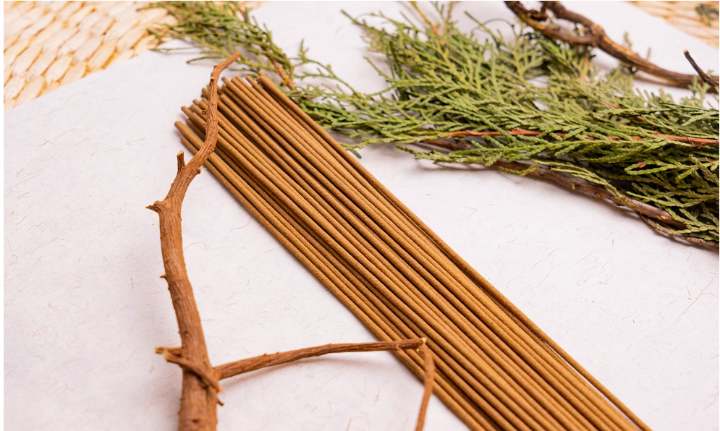
Imperial MedicinalFragrance Series: Red Clove & Cardamom – TheEssential Scent for Women. Thisincense is a supreme treasure among fragrances, known for soothing the liver,relieving stagnation, and nourishing qi and blood. Once exclusively used byconsorts in the Qing Dynasty’s imperial harem, itallowed them to replenish their vitality and maintain a joyful spirit, evenwithin the depths of the palace.
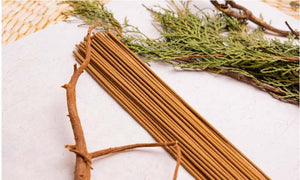 1. Authentic Heritage from the QingCourt
Crafted by the 12th-generation inheritor of the orthodox Qing Dynasty incense-making techniques—a true guardian of the imperial fragrance tradition.
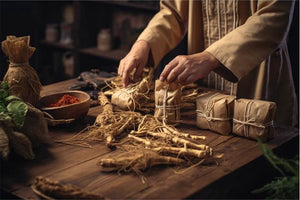 2. Imperial Formulation and ArtisanMastery
The production of this incense spans four years, with preparation methods so intricate and sophisticated that they inspire awe. Based on secret recipes and refining techniques from the Qing court, this exclusive imperial incense—once reserved for royalty—is now accessible to all, thanks to modern production capabilities.
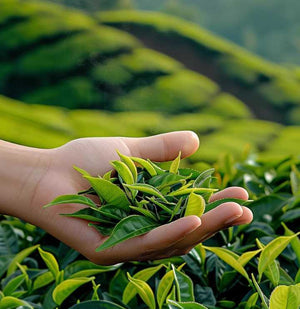 3. Rare and Precious MedicinalIngredients
Sourced from the vast Mongolian grasslands, the wild herbs used are purely natural, grown in untamed environments. These rare raw materials absorb the essence of the sun and moon throughout their growth, resulting in a substance of exceptional purity and potency.
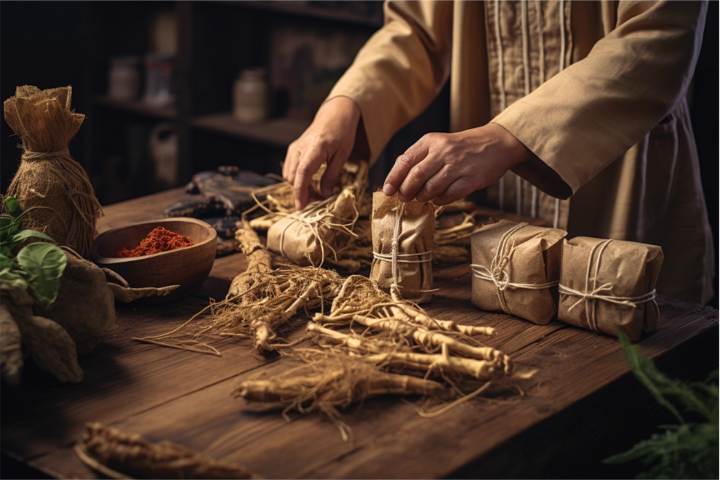
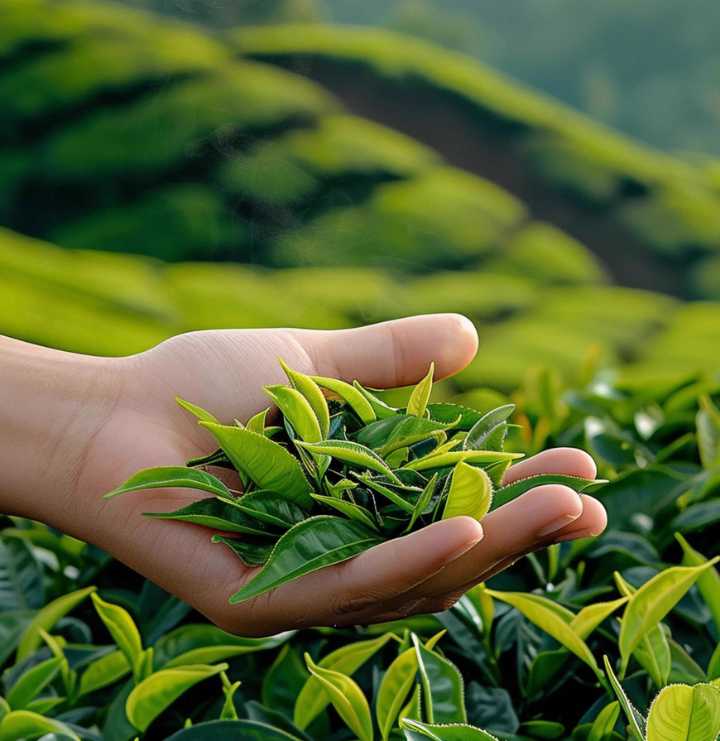

Originatingfrom the Vast Grasslands, Celebrated in the Depths of the Imperial Court
During my travels to the borderlands of
China and the expansive grasslands, I developed a deep fascination for the
unique local incense. By a stroke of fate, I unexpectedly met a direct disciple of an imperial court incense master. From him, I learned that some of these incenses require a full four years to complete—a testament to the astonishing level of dedication and craftsmanship involved.

Doubt not—thisis incense of the highest imperial lineage. What makes court-grade incensetruly exceptional?
Its excellence does not stem from any
mysterious or unspoken forces. Instead, the imperial standard is reflected in three indispensable aspects: the formulation, the raw materials, and the preparation process. According to the strict hierarchical norms of ancient times, there is no doubt that court-grade incense represents the pinnacle of achievement in this art.

The Story of the Incense Master’s Entry into the Palace
In the 14th year of the Kangxi era of
the Qing Dynasty, a renowned incense artisan was dispatched by the Court of
Colonial Affairs to the ancestral home of Empress Dowager Xiaozhuangwen, to serve Princess Duanmin of the Gulun rank. The princess, known for her willful and imposing demeanor, enjoyed the highest honors of both Manchu and Mongolian traditions. Yet, for decades, she remained loyal to the incense created by this master artisan—a testament to how his craftsmanship won over even the most discerning of Manchu nobility.
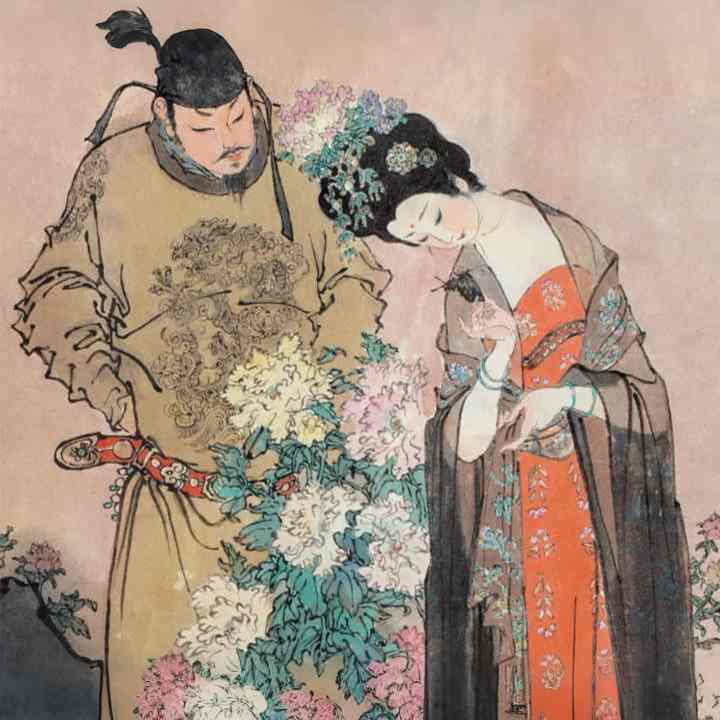
Why Were Imperial Consorts Particularlyin Need of Regulating Qi, Nourishing Blood, and Soothing Liver Stagnation?
In ancient times, life was vastlydifferent from today—devoid of modern diversions andentertainment. For imperial consorts, living conditions within the palace wallswere remarkably restricted. Amid the endless intrigues of the inner court, theyoften carried heavy hearts—navigating a world wherepleasing the emperor was as precarious as taming a tiger. The constant fear offalling out of favor or falling victim to schemes weighed deeply on theirspirits. Those who bore children might find somesolace in motherhood, but for those without offspring or imperial favor, lifebecame a lonely count of tiles on the palace floor—aquiet, unending solitude.

Modern individuals face similarchallenges today.
Prolonged worryand overthinking harm the spleen, while excessive anxiety and fear depletekidney essence. Insufficient qi and blood, combined with liver qi stagnation,remain among the most pressing health issues in our time.Astraditional wisdom teaches:“Qiis the commander of blood; blood is the mother of qi.”Whenqi flows, blood circulates; when qi stagnates, blood congeals.Abundantblood strengthens qi; blood deficiency weakens qi.Thus,nourishing qi and blood and soothing liver stagnation are just as vital forpeople today as they were in the past.
-

49 Premium Ingredients: Wild-HarvestedHerbs from the Mongolian Grasslands
Traditional Chinese medicine emphasizes the importance of dàodì—genuine,
locally sourced herbs—and Mongolian medicine is no different. Ingredients grown in their native environment are considered superior. As the ancient saying goes, "Oranges grown south of the Huai River are sweet; north of the river, they turn bitter." The vast, sparsely populated Mongolian plains provide the ideal conditions for cultivating the finest medicinal plants. These herbs, growing freely under the open skies, embody the purity and dedication required for imperial-grade incense. -

A Unique Incense-Making Process:Aligning Time, Place, and HarmonyHow intricate is the process?
The artisan employs a traditional imperial technique known as "mì bù tiào," which involves ten complex steps: baking, stir-frying, smoking, boiling, soaking, simmering, fermenting, rinsing, nourishing, and hanging.
-

While there may be incenses with moresteps, few are willing to align the process so precisely with the rhythms ofnature.
Seven days before the summer solstice,
at solar noon, all the fragrant materials are blended together and placed in an
altar on a southern-facing slope to absorb natural energy. Seven days after the solstice, also at noon, they are brought out and sun-dried for two hours before being moved to a well-ventilated area to air-dry. Meanwhile, red dates, adzuki beans, and gromwell root are simmered into a concentrate. -

Meticulous Preparation of Ingredients
The preliminary processing of some
materials is astonishingly complex. Certain ingredients must be aged for up to three years before they are even used.When all components are finally combined, the timing and location are chosen with deep intentionality—selecting the "right moment" is as crucial as working at sunrise and resting at sunset. Everything in nature has its season, and medicinal herbs are no exception.


